The Mouthfeel Is the Message: What Brewers and Cinematographers Already Agree On

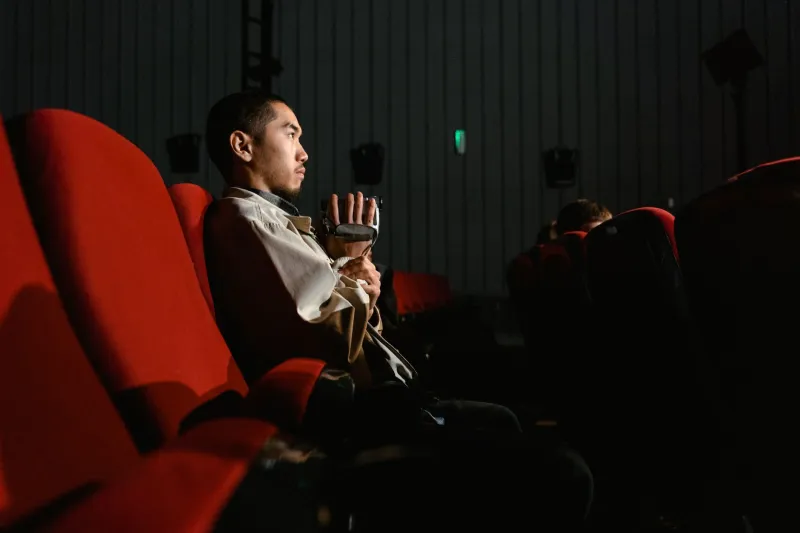
Photo by Photo by Nguyen Minh Kien on Unsplash on Unsplash
Ask a brewer about a beer and you will eventually hear the word mouthfeel. Ask a cinematographer about an image and you will eventually hear the word texture. They are not using the same vocabulary by accident. Both disciplines understand that atmosphere is not built by plot points or hop varieties alone. It is built by the way a thing feels when it hits you.
For this piece, I spoke with two people who think about texture for a living: a head brewer at a mid-sized Colorado craft brewery and an independent cinematographer based in Atlanta who shoots features and commercials. They asked to keep the focus on process rather than personal brand, which is a very texture-forward way to live. I also drew on the public work of cinematographers who talk about texture like it is a character in the film.
Texture Is Not Decoration
A common mistake in both fields is treating texture as a finishing touch. In beer, that means adding oats for body or nitro for creaminess and calling it a day. In film, it means slapping a grain overlay on a digital image and calling it cinematic. Both approaches miss the point. Texture is not a filter. It is a structural choice.
The brewer I spoke with put it plainly: mouthfeel is the first thing your body understands about a beer, before you can name the hops or the malt. Is it soft or sharp? Round or lean? Does it coat the tongue or clean up after itself? Those sensations shape how you read everything else. A juicy IPA with a thin body feels like a promise that was not kept. A stout with a silky body makes roast and chocolate feel deeper than they would otherwise.
Cinematographers work the same way. Grain, haze, contrast, and focus are not just looks. They tell you what kind of world you are in. A soft, hazy image can feel memory-like or intimate. A hard, crisp image can feel clinical or immediate. The surface is the argument.
Mouthfeel and Film Grain Are Cousins
Film grain is the most obvious parallel. It gives an image a physical presence, a sense that light hit something and left a mark. Digital cinema can be immaculate, but immaculate is not always the goal. Grain can add warmth, tension, or a documentary honesty. It can make a close-up feel less like a product shot and more like a face.
Mouthfeel does something similar in beer. Carbonation level, protein content, alcohol warmth, and residual sugar all create a physical impression. A Belgian wit and a hazy pale ale may both be cloudy, but they do not feel the same in the mouth. One is soft and spiced; the other is pillowy and fruit-forward. The haze is not just visual. It is tactile.
Watch the fog in Blade Runner 2049 or the low-light interiors Bradford Young shoots. The texture is doing emotional work. It makes the image feel humid, lived-in, or haunted. A hazy IPA does the same thing in a glass. It signals softness before you taste it. Then the mouthfeel confirms or complicates that signal. Good brewers know that the first sip is also a first impression.
Haze, Soft Focus, and the Art of the Almost-See
Haze is a useful word in both conversations. In cinema, soft focus and diffusion can make an image feel dreamy, dangerous, or tender. It can hide detail in a way that makes the viewer lean in. In beer, haze can make a beer feel juicy and approachable, but it can also become a gimmick if there is no structure underneath.
The cinematographer I spoke with described texture as a way of controlling attention. A sharp foreground and a soft background tells you where to look. A grainy shadow tells you what to distrust. It is not about making everything pretty. It is about making everything mean something.
Beer works the same way. A thick, creamy head on a stout guides your expectation. A crisp, fast-fading head on a pilsner tells you to expect refreshment. The visual texture sets up the tactile texture. When they match, the beer feels coherent. When they clash, you notice, even if you cannot explain why.
Carbonation Is a Cutting Rhythm
Here is where the two crafts get surprisingly technical. Carbonation in beer is not just fizz. It is pacing. High carbonation can make a beer feel sharp and cleansing, which is why it works with fried food and bright flavors. Low carbonation can make a beer feel smooth and enveloping, which is why it works with richer dishes and slower moods.
Editing has a rhythm too. A cut can be a jab, a breath, or a bridge. The cinematographer told me that texture often lives in the transitions: the way light changes between shots, the way grain shifts when the camera moves, the way focus pulls from one face to another. Those choices create a pulse.
A well-carbonated beer has a pulse. It moves across the palate. It resets the tongue. It makes you want another sip. A flat beer feels stalled. A clumsily edited scene feels stalled too. Both leave you waiting for something that never arrives.
The Brewery and the Color Suite
What struck me most in both conversations was how much time each professional spends on things the audience will never consciously notice. The brewer adjusts water chemistry for mouthfeel. The cinematographer tests lenses and lighting ratios for texture. Both are solving the same problem: how do you make an experience feel like itself?
That is why the best pairings go beyond flavor matching. A creamy oatmeal stout and a slow, grainy portrait of a small town share a softness. A sharp, highly carbonated saison and a film with quick, precise cuts share a nervous energy. You do not need to explain the connection. You feel it.
Drink and Watch for Texture
The next time you pour a beer, pay attention to the first physical impression. Is it soft, sharp, round, drying, creamy, or cleansing? Then watch a scene you love and ask the same question. Is the image soft or hard? Does the grain feel heavy or light? Does the editing cut or glide?
Texture is the part of craft we often skip past on the way to flavor and story. But it is where atmosphere lives. Brewers and cinematographers know this. The rest of us can learn by slowing down, taking a sip, and letting the surface do its work.