Popcorn, Pints, and Open Sky: America's Breweries Are Quietly Becoming the Best Cinemas in Town
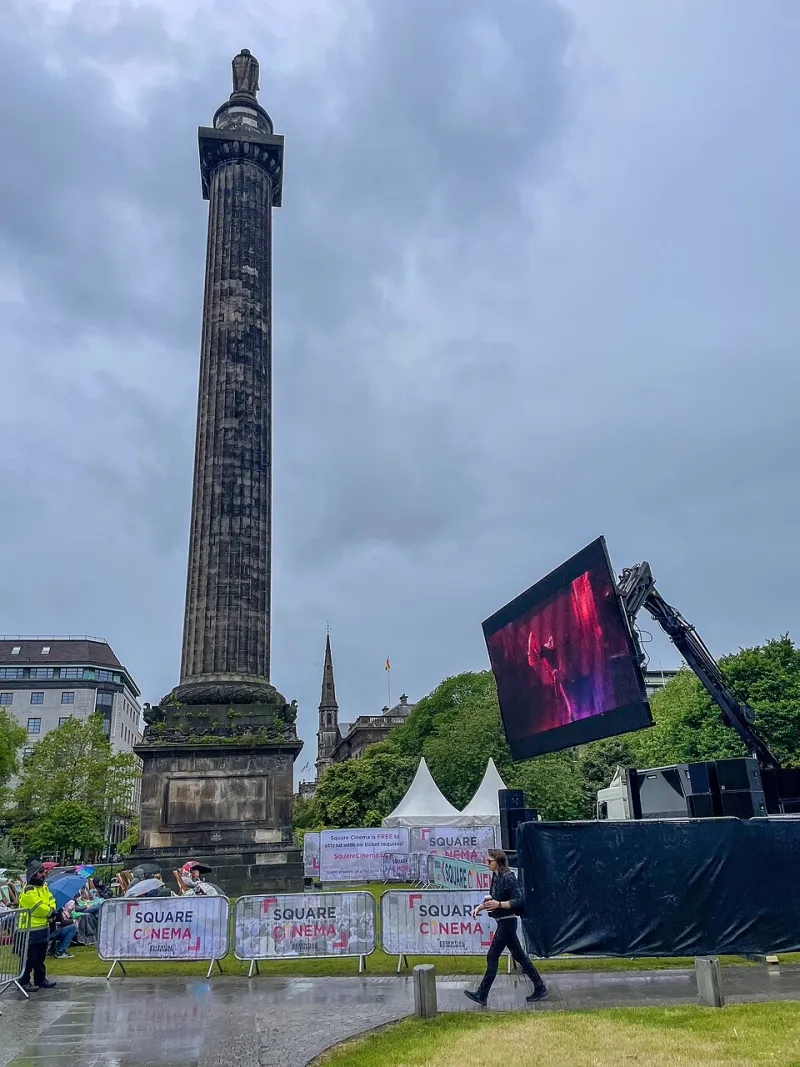
Photo: Kenneth C. Zirkel, CC BY 4.0, via Wikimedia Commons
Somewhere in Asheville, North Carolina, a crowd of about two hundred people is sitting on mismatched lawn furniture, wrapped in flannel, watching Jurassic Park projected onto the side of a grain silo. Someone's dog is asleep under a picnic table. A flight of hazy IPAs is making its way down a row of strangers who are, by the second act, no longer strangers.
This is not a pop-up novelty. This is Tuesday.
Across the United States, independent craft breweries have quietly become one of the most exciting new venues in American film culture. Not through grand announcements or corporate partnerships, but through the very organic logic of what a brewery already is: a gathering place, a community anchor, a destination with character. Add a projector, a screen, and a solid tap list, and you've got something that no multiplex — with its $18 popcorn and antiseptic lobbies — can replicate.
How This Actually Happened
The trend didn't emerge from a marketing strategy deck. It evolved the way the best things in craft culture do: out of necessity, experimentation, and a genuine love for the thing itself.
Many brewery owners trace the shift back to the pandemic recovery period, when outdoor space became premium real estate for businesses trying to stay alive. Breweries that had invested in courtyards, beer gardens, and parking lot patios suddenly had infrastructure that could do double duty. A few adventurous taproom managers threw up a screen one summer evening, played a crowd-pleasing film, and discovered that people didn't just come — they stayed. They ordered more rounds. They came back the following week with friends.
The format spread the way craft beer itself spread: peer to peer, city to city, through enthusiast communities and local press coverage. Today, you'll find outdoor screening programs at breweries in Portland, Oregon; Denver, Colorado; Detroit, Michigan; Austin, Texas; and dozens of smaller markets in between. Some run seasonal series. Others have built permanent outdoor screening infrastructure. A handful have begun collaborating directly with independent filmmakers to host premieres and regional debuts.
What Makes It Work (And Why the Multiplex Can't Copy It)
Let's be honest about what a brewery screening offers that a traditional cinema doesn't, because the list is longer than you might expect.
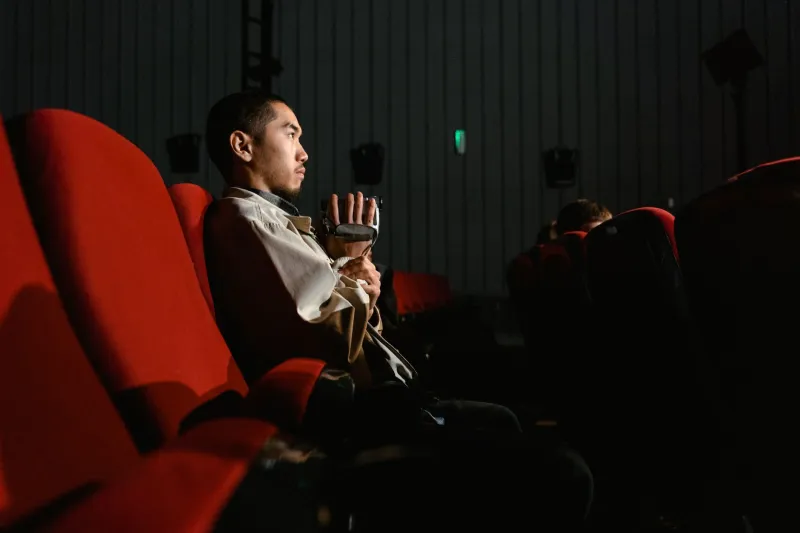
First, there's the social architecture. A movie theater is designed for parallel private experiences happening simultaneously in the dark. You sit in rows, face forward, and interact with no one. A brewery courtyard is designed for conversation, for gathering, for the kind of loose social energy that makes strangers feel comfortable talking to each other. When a film plays in that environment, it becomes a shared communal event rather than a parallel private one. The laughter is louder. The gasps are more contagious. The experience is fundamentally collective in a way that stadium seating never quite achieves.
Second — and this is the Cinema Brewers part — the beverage is actually good. Not "movie theater good," which is a very specific and somewhat tragic category. Actually good. A well-curated tap list at a brewery screening event can be programmed to complement the film, the season, the mood. Some breweries have started doing exactly this: selecting featured pours that thematically or stylistically echo the night's film. A smoky rauchbier for a Western. A bright, effervescent wheat beer for a summer comedy. A rich imperial stout for something dark and wintry.
Third: the dog can come. This cannot be overstated as a factor in American leisure decision-making.
Profiles in Projection: Breweries Getting It Right
While we won't play favorites by naming just one venue as the gold standard, a few approaches stand out as particularly thoughtful.
Some breweries in the Pacific Northwest have developed what they call "director series" evenings — themed programming around a single filmmaker's work, spread across multiple weekends, with staff-curated beer selections chosen to match the emotional register of each film. Attendees who complete the full series get a commemorative glass. It's part film club, part loyalty program, and entirely brilliant.
In the Midwest, several breweries have partnered with local film societies and university cinema programs to screen archival and repertory titles that would otherwise be inaccessible to general audiences in their markets. These aren't blockbusters — they're 16mm prints of 1970s American independent films, or restored foreign classics with new subtitles. The brewery provides the venue and the pints. The film society provides the curatorial expertise. The audience, it turns out, shows up for both.
Down in Texas, a handful of taprooms have gone the opposite direction, leaning into populist programming — beloved blockbusters, cult favorites, seasonal classics — with the explicit goal of making their courtyard the neighborhood's living room. The film is almost secondary to the atmosphere. Almost.
What Filmmakers and Brewers Actually Get Out of This
For independent filmmakers, the brewery circuit has emerged as a genuinely valuable distribution channel — especially for short films and regional features that don't have the marketing budgets to compete for multiplex screens. A brewery screening can put a film in front of two hundred engaged, relaxed, socially primed viewers who are predisposed to enjoy themselves. That's a better room than most filmmakers get at traditional festivals.
For brewers, the math is straightforward: longer dwell times mean more pints per visit. But the savvier brewery owners will tell you it goes beyond revenue. Film screenings attract exactly the kind of customer they want — curious, community-oriented, willing to try something new. The demographic overlap between craft beer enthusiasts and independent cinema fans is not subtle. It is, in fact, the entire premise of this website.
The Third Place, Rebranded
Urban sociologists have spent decades lamenting the decline of the American "third place" — the space that isn't home and isn't work, where community actually forms. The corner bar. The diner. The public square. These spaces have been eroded by sprawl, by screens, by the atomization of modern life.
The brewery outdoor cinema isn't just a fun night out. It's a genuinely hopeful answer to that erosion. It's a place where the film gives strangers something to talk about, the beer gives them a reason to linger, and the open sky reminds everyone that leisure is better shared.
Find one near you. Bring a blanket. Try the seasonal pour. Let the movie wash over you.
The grain silo makes an excellent screen, it turns out.